How to Prepare for IVF: A Step-by-Step Guide
Preparing for in vitro fertilization (IVF) can be an emotionally and physically demanding process. This guide outlines essential steps, tips, and methods to help individuals and couples embark on their IVF treatment journey confidently. From lifestyle changes to financial planning, understanding the IVF treatment methods and stages of IVF is crucial for maximizing the chances of success.
Understanding IVF Treatment
In vitro fertilization (IVF) is a complex fertility treatment involving multiple steps. While IVF success rates vary, being fully prepared can improve the chances of achieving a successful pregnancy. In this IVF treatment guide, we explore how to prepare for each phase, providing insights into both physical and emotional readiness.
Step 1: Consultation and Initial Evaluation
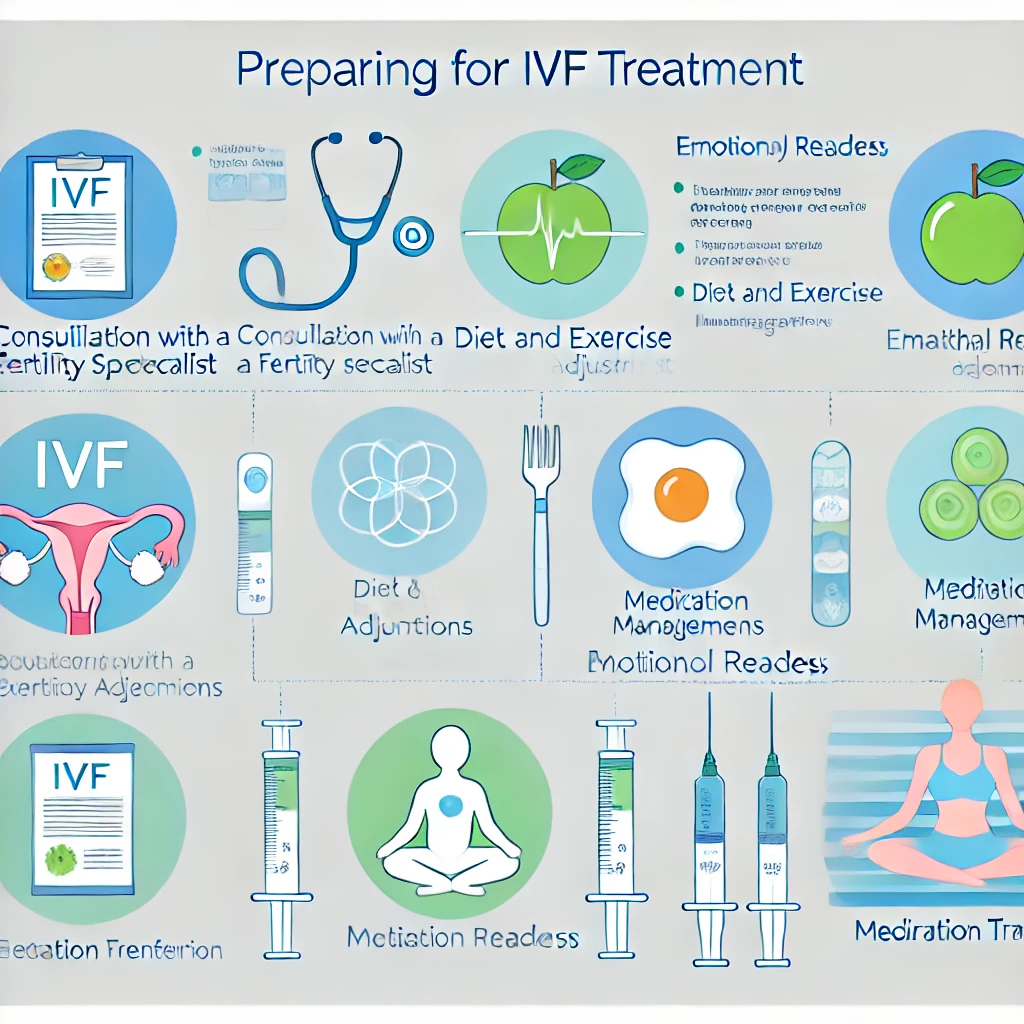
Before starting IVF, consult a fertility specialist who will guide you through the entire IVF treatment process. A thorough evaluation helps determine the best IVF treatment methods suited to your needs.
– Clinic Selection: Choose a reputable clinic with high success rates and experienced specialists. Sites like FertilityIQ and SART provide clinic reviews and success statistics.
– Tests and Screenings: Expect blood tests, ultrasounds, and possibly genetic testing to assess your fertility status.
– Financial Planning: IVF treatment costs can range significantly, with each cycle averaging $12,000 to $20,000 in the U.S. Research financing options and insurance coverage before starting treatment.
Step 2: Preparing Your Body Physically
Physical preparation for IVF treatment is vital as it can impact egg quality, sperm health, and overall IVF success.
– Diet and Nutrition: Adopt a fertility-friendly diet rich in leafy greens, lean protein, whole grains, and healthy fats. Reducing caffeine, sugar, and processed foods can help improve fertility.
– Supplements: Certain vitamins, such as folic acid, vitamin D, and Coenzyme Q10 (CoQ10), are commonly recommended for those undergoing IVF treatment. Consult your fertility specialist before starting any supplements.
– Exercise and Weight Management: Moderate exercise can enhance fertility, but avoid intense workouts as they may interfere with ovulation. Ideal body weight is crucial, as extreme BMI levels (either high or low) can affect IVF outcomes.
– Quit Smoking and Limit Alcohol: Smoking and excessive alcohol intake are linked to reduced fertility. Both men and women should abstain from these substances during IVF treatment.
Step 3: Emotional Preparation
The emotional aspect of IVF treatment is often underestimated, yet it plays a critical role in managing stress throughout the process.
– Counseling and Support Groups: IVF can be emotionally draining. Counseling or joining support groups, such as Resolve and IVF Babble can offer support, advice, and encouragement.
– Mindfulness Practices: Techniques like yoga, meditation, and deep breathing can reduce stress, which may improve IVF success rates. Fertility-focused mindfulness apps like Circle + Bloom are specifically designed for IVF patients.
– Set Realistic Expectations: IVF success rates are around 30-40% per cycle for women under 35 and decrease with age. Managing expectations can help cope with outcomes that may not always align with hopes.
Step 4: Preparing for the IVF Treatment Process
Understanding each stage of IVF is essential to feel prepared for the steps ahead. This IVF treatment guide breaks down the process to give a clear view of what to expect.
Ovulation Stimulation
IVF treatment begins with ovulation stimulation to encourage multiple eggs to mature. This stage typically involves injectable hormones over a 10–14-day period. Blood tests and ultrasounds monitor the response.
– Cost: Ovulation stimulation medications can range from $1,500 to $5,000 per cycle.
– Common Side Effects: Mild bloating, mood swings, and tenderness are common. Staying hydrated and getting adequate rest can help manage symptoms.
Egg Retrieval
Once the eggs are ready, they are retrieved in a minor surgical procedure. Egg retrieval typically takes around 20–30 minutes under sedation.
– Preparation: Avoid eating and drinking for 8–12 hours before the procedure. Arrange for someone to drive you home afterward.
– Recovery: Most patients resume normal activities within a day or two.
Fertilization and Embryo Development
The retrieved eggs are fertilized with sperm in a lab, forming embryos. Fertilization can be done through traditional IVF or Intracytoplasmic Sperm Injection (ICSI), where a single sperm is injected directly into an egg.
– ICSI Costs: ICSI can add an additional $1,000 to $2,500 to IVF treatment.
– Embryo Monitoring: Fertility specialists monitor the embryos for several days before selecting the healthiest for transfer.
Embryo Transfer
After 3–5 days, the healthiest embryos are transferred to the uterus. This is a quick, painless procedure that usually doesn’t require anesthesia.
– Embryo Transfer Tips: Some specialists recommend bed rest for a day or two post-transfer. Avoid heavy lifting and strenuous exercise during this period.
– Follow-Up: A blood test is done around two weeks after the transfer to confirm pregnancy.
Step 5: Financial Preparation and Support Options
IVF treatment can be expensive, especially if multiple cycles are required. Here are some tips for managing costs:
– Insurance Coverage: In some states, insurance providers are mandated to cover IVF treatment. Check your plan and state laws.
– Discount Programs: Many clinics offer discounts for military personnel, first responders, or multiple-cycle IVF packages.
– Financial Aid and Grants: Organizations like Baby Quest Foundation offer financial assistance to help with IVF costs.
Lifestyle Adjustments During IVF Treatment
Maintaining a healthy lifestyle during IVF treatment can positively impact the outcome:
– Sleep Hygiene: Aim for 7–8 hours of sleep each night. Quality sleep helps regulate hormones that are critical during IVF treatment.
– Hydration: Drink adequate water throughout the day, especially if taking hormonal medications.
– Limit Caffeine: High caffeine intake is associated with lower pregnancy rates in IVF. Limit to one cup of coffee or tea per day if necessary.
Managing Expectations and Coping with Results
Not every IVF cycle results in pregnancy, which can be emotionally challenging. Coping strategies include:
– Mindfulness and Resilience Building: Techniques such as meditation, journaling, and gratitude practices can help manage anxiety.
– Plan for Multiple Cycles: IVF treatment success is often cumulative. Prepare mentally and financially for the possibility of more than one cycle.
– Build a Support Network: Friends, family, and online communities can offer emotional support and advice throughout your IVF journey.
Final Thoughts on IVF Preparation
Preparing for IVF involves multiple steps, from physical health optimization to emotional resilience and financial planning. This IVF treatment guide offers a comprehensive roadmap for couples embarking on their IVF journey. By following each stage with care, individuals and couples can approach IVF treatment with the knowledge and preparation necessary to increase their chances of success.
For more detailed guidance, check out additional resources:
– [FertilityIQ](https://www.fertilityiq.com) – Offers clinic reviews and IVF success rates.
– [IVF Babble](https://www.ivfbabble.com) – A support network for those undergoing fertility treatments.
– [Resolve](https://resolve.org) – A nonprofit organization providing support and resources for those facing infertility.