
IVF Success Tips: How to Increase Your Chances
In vitro fertilization (IVF) offers hope for couples experiencing infertility. However, IVF treatment can be challenging and costly, making it important to explore every possible way to enhance its success. This article provides valuable IVF treatment success tips, detailing IVF treatment methods and lifestyle adjustments that may increase the chances of a successful outcome.
Why is IVF Success So Variable?
IVF success depends on numerous factors, including age, health, and the quality of the eggs and sperm used. Younger women generally have higher success rates, while factors such as lifestyle and health can further influence outcomes. Following evidence-based tips can improve your chances significantly.
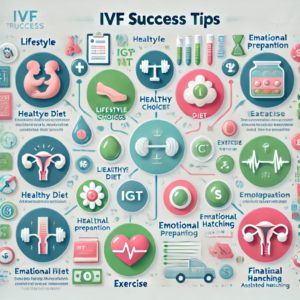
Essential IVF Treatment Success Tips
Here are some effective strategies that can help you optimize your chances:
1. Start with a Fertility-Friendly Diet
A balanced diet is fundamental to optimizing your body for IVF treatment. Certain foods can enhance reproductive health, and nutrition plays a role in the quality of eggs and sperm.
– Include Antioxidant-Rich Foods: Foods like berries, nuts, and leafy greens combat oxidative stress, which can damage eggs and sperm.
– Limit Caffeine and Sugar: High sugar intake can disrupt hormone levels, and excessive caffeine has been linked to reduced fertility.
– Focus on Omega-3 Fatty Acids: Omega-3s in fish, flaxseed, and walnuts improve blood flow to reproductive organs.
Example Resource: For more guidance, check Harvard T.H. Chan School of Public Health’s Nutrition
2. Maintain a Healthy Weight
BMI (Body Mass Index) plays a role in IVF success. Both underweight and overweight individuals may face fertility issues.
– Target Healthy Weight: Aim for a BMI between 20 and 25. This range is associated with improved hormone balance and reproductive health.
– Avoid Crash Dieting: Dramatic weight loss can disrupt ovulation, so focus on a gradual, balanced approach.
Example Resource:Read more on how weight affects fertility at Mayo Clinic
3. Optimize Lifestyle Choices
Lifestyle changes can have a significant impact on IVF outcomes. Studies indicate that smoking, alcohol, and stress are all factors that can decrease IVF success rates.
– Quit Smoking: Smoking can harm egg quality and reduce sperm count. Avoid smoking at least three months before IVF treatment.
– Limit Alcohol: Alcohol can interfere with hormone levels, so it’s best to avoid it altogether during IVF treatment.
– Stress Reduction: Stress impacts hormone levels. Techniques like meditation, yoga, and acupuncture may help manage anxiety.
Example Resource: Find more stress management tips for IVF at IVF Babble
4. Consult with a Fertility Specialist
Your fertility specialist is key to guiding you through IVF treatment methods and helping to customize a plan based on your needs.
– Choose the Right Clinic: Research success rates and find a clinic that specializes in the specific IVF treatment methods suited for you.
– Regular Check-Ins: Routine appointments help monitor hormone levels, egg development, and overall progress.
Example Resource: You can find clinic ratings and reviews at FertilityIQ
Understanding IVF Treatment Methods
Different IVF treatment methods may enhance success depending on your specific circumstances. Here’s a look at some methods that can improve outcomes:
Preimplantation Genetic Testing (PGT)
PGT screens embryos for genetic abnormalities, allowing only the healthiest embryos to be transferred, which can increase the chances of a successful pregnancy.
– Cost: $4,000 to $8,000 per cycle in the U.S.
– Effectiveness: PGT can improve implantation rates by identifying viable embryos.
Intracytoplasmic Sperm Injection (ICSI)
In cases of male infertility, ICSI involves injecting a single sperm directly into the egg, which helps overcome issues with low sperm count or motility.
– Cost: Adds $1,000 to $2,500 to the total IVF treatment cost.
– Effectiveness: Often increases fertilization rates for male-factor infertility cases.
Assisted Hatching
Assisted hatching is a technique where a small opening is made in the embryo’s outer shell before implantation, which can help with successful embryo attachment.
– Cost: $300 – $600 per procedure.
– Effectiveness: Studies suggest that it may improve pregnancy rates in some cases, especially for women over 35.
Step-by-Step IVF Success Preparation Guide
1. Initial Consultation: Schedule your consultation to discuss IVF treatment methods and assess any additional tests or screenings.
2. Ovulation Monitoring: Your doctor will monitor your ovulation to ensure eggs are ready for retrieval.
3. Egg Retrieval and Fertilization: Follow all preparatory steps as advised, including any dietary or medication instructions.
4. Embryo Transfer: Take it easy on the day of transfer, and follow post-procedure recommendations.
Additional Tips for Improving IVF Success
1. Consider Acupuncture
Acupuncture is increasingly used to improve IVF outcomes by enhancing blood flow to reproductive organs and reducing stress levels. Studies have shown that acupuncture before and after embryo transfer may increase pregnancy rates.
2. Prepare Financially
IVF treatment can be costly, especially if multiple cycles are needed. Many clinics offer financial counseling to help patients understand and manage expenses.
3. Create a Support System
IVF can be an emotional journey. Connect with friends, family, or online communities who understand what you’re going through. Joining an IVF support group, such as [Resolve](https://resolve.org), can help you find advice, encouragement, and emotional support.
Common Myths About IVF Success Rates
1. Myth: IVF Always Works on the First Try
IVF success rates vary, and many people need multiple cycles to conceive.
2. Myth: Lifestyle Doesn’t Affect IVF Success
Lifestyle factors like diet, exercise, and sleep significantly impact fertility and IVF outcomes.
3. Myth: Stress Doesn’t Impact IVF Success
High stress can interfere with hormone balance, which is critical for IVF success.
Tracking IVF Success: What to Expect Post-Transfer
– Pregnancy Testing: After embryo transfer, expect a blood test two weeks later to confirm pregnancy.
– Managing Expectations: It’s normal for IVF to require more than one cycle. Be prepared for possible setbacks and know that each cycle offers valuable insights.
Final Thoughts on IVF Treatment Success Tips
IVF success relies on multiple factors, including age, lifestyle, and the IVF treatment methods chosen. By following this IVF treatment guide and taking advantage of all available resources, couples can improve their chances of achieving a successful pregnancy.


