What Are the Symptoms of IVF Treatment?
Embarking on the journey of in vitro fertilization (IVF) is a significant step toward achieving your dream of parenthood. As your doctor, it’s essential to provide you with a comprehensive understanding of the potential symptoms and side effects associated with IVF treatment. This knowledge will empower you to navigate the process with confidence and awareness.
Understanding IVF Treatment
IVF is a multi-step process designed to assist with conception. The primary stages include:
- Ovarian Stimulation: Administration of hormonal medications to stimulate the ovaries to produce multiple eggs.
- Egg Retrieval: A minor surgical procedure to collect the mature eggs from the ovaries.
- Fertilization: Combining the eggs with sperm in a laboratory setting to facilitate fertilization.
- Embryo Transfer: Placing the resulting embryo(s) into the uterus with the hope of achieving implantation and pregnancy.
Common Symptoms and Side Effects
Throughout the IVF process, you may experience various symptoms and side effects, which can vary in intensity among individuals. It’s crucial to distinguish between common, mild side effects and those that may require medical attention.
1. Ovarian Stimulation Phase
During this phase, hormonal medications are used to encourage the ovaries to produce multiple eggs. Common side effects include:
- Bloating and Abdominal Discomfort: The ovaries enlarge due to multiple developing follicles, leading to a sensation of fullness or bloating.
- Mood Swings: Hormonal fluctuations can affect your mood, causing irritability or emotional sensitivity.
- Headaches: Changes in hormone levels may trigger headaches in some individuals.
- Breast Tenderness: Increased estrogen levels can cause breast swelling and tenderness.
These symptoms are generally mild and subside after the stimulation phase. However, if you experience severe discomfort, it’s important to consult your healthcare provider.
2. Egg Retrieval Procedure
Egg retrieval is a minimally invasive procedure performed under sedation. Post-procedure, you might experience:
- Mild Cramping: Similar to menstrual cramps, usually resolving within a day or two.
- Spotting or Light Bleeding: Minor vaginal bleeding can occur but should be short-lived.
- Fatigue: Sedation and the procedure itself may leave you feeling tired.
These symptoms are typically short-term. Rest and over-the-counter pain relief can help manage discomfort.
3. Post-Embryo Transfer
After the embryo transfer, it’s natural to be attentive to your body’s signals. Common experiences include:
- Bloating: Continued hormonal effects can cause a feeling of fullness.
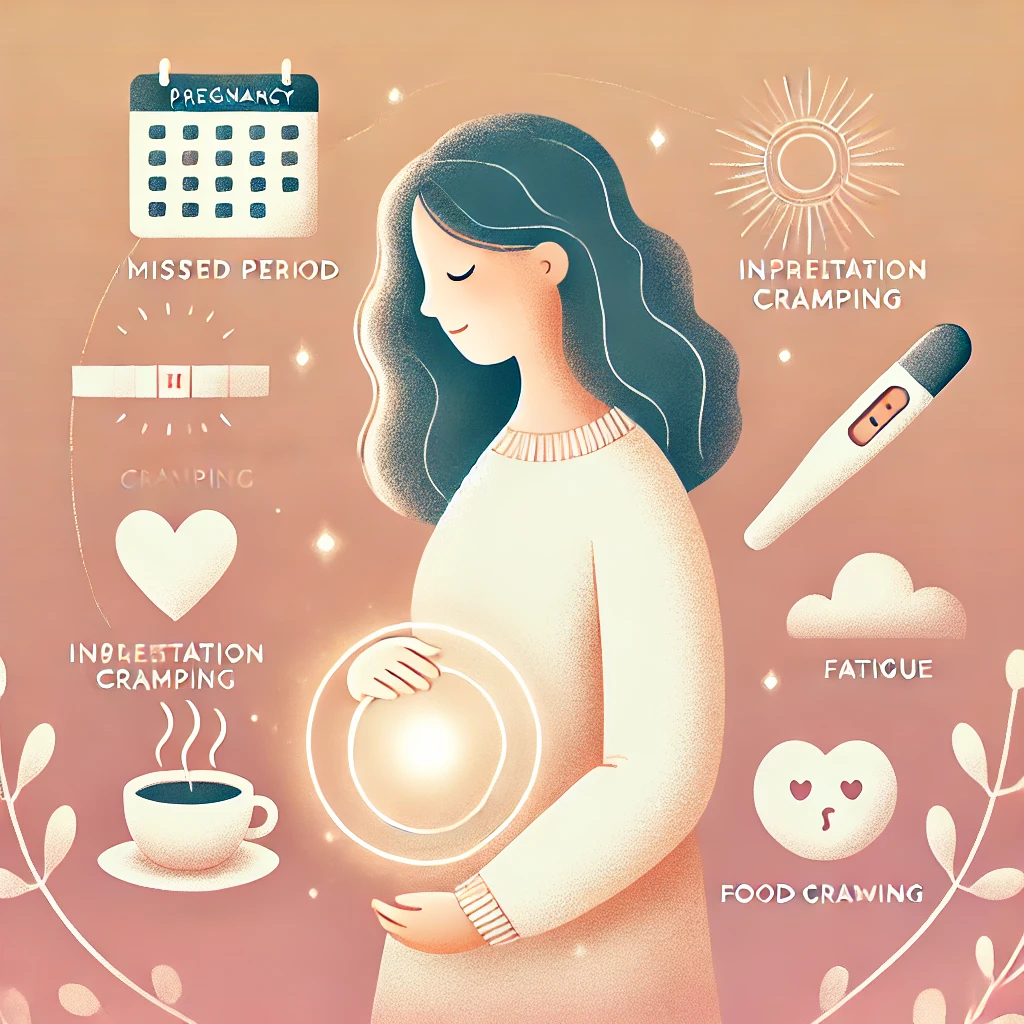
- Mild Cramping: Light cramping may occur as the embryo implants.
- Breast Tenderness: Progesterone support can lead to sore breasts.
- Light Spotting: Implantation spotting is possible and not necessarily a cause for concern.
It’s important to note that these symptoms are not definitive indicators of pregnancy. A scheduled pregnancy test will provide accurate results.
Potential Risks and Complications
While IVF is generally safe, there are potential risks and complications to be aware of:
1. Ovarian Hyperstimulation Syndrome (OHSS)
A rare but serious condition where the ovaries respond excessively to stimulation medications. Symptoms include:
- Severe Abdominal Pain
- Rapid Weight Gain
- Nausea and Vomiting
- Shortness of Breath
If you experience these symptoms, seek medical attention promptly.
2. Multiple Pregnancies
Transferring multiple embryos increases the risk of twins or higher-order multiples, which can lead to complications such as preterm birth. Discuss the number of embryos to transfer with your doctor to balance success rates and risks.
3. Ectopic Pregnancy
A rare occurrence where the embryo implants outside the uterus. Symptoms include sharp pelvic pain and vaginal bleeding. Immediate medical attention is necessary.
4. Emotional and Psychological Impact
The IVF journey can be emotionally taxing. Feelings of anxiety, stress, and depression are not uncommon. It’s important to seek support from counselors, support groups, or mental health professionals to navigate these emotions.
Managing Side Effects and Maintaining Well-being
To manage side effects and maintain your well-being during IVF treatment:
- Stay Hydrated: Proper hydration can alleviate bloating and reduce the risk of OHSS.
- Balanced Diet: Nourish your body with a healthy diet to support overall health.
- Gentle Exercise: Engage in light activities like walking to improve mood and circulation.
- Rest: Ensure adequate sleep to aid in recovery and emotional balance.
- Open Communication: Discuss any concerns or symptoms with your healthcare team promptly.