Early Signs of IVF Success
Embarking on the IVF (In Vitro Fertilization) journey can be both exciting and nerve-wracking. After the embryo transfer, the wait to confirm pregnancy can feel like an eternity. While only a blood test can confirm pregnancy, there are some early signs that may indicate IVF success. Let’s explore these signs and what they mean for your journey.
1. Implantation Bleeding or Spotting
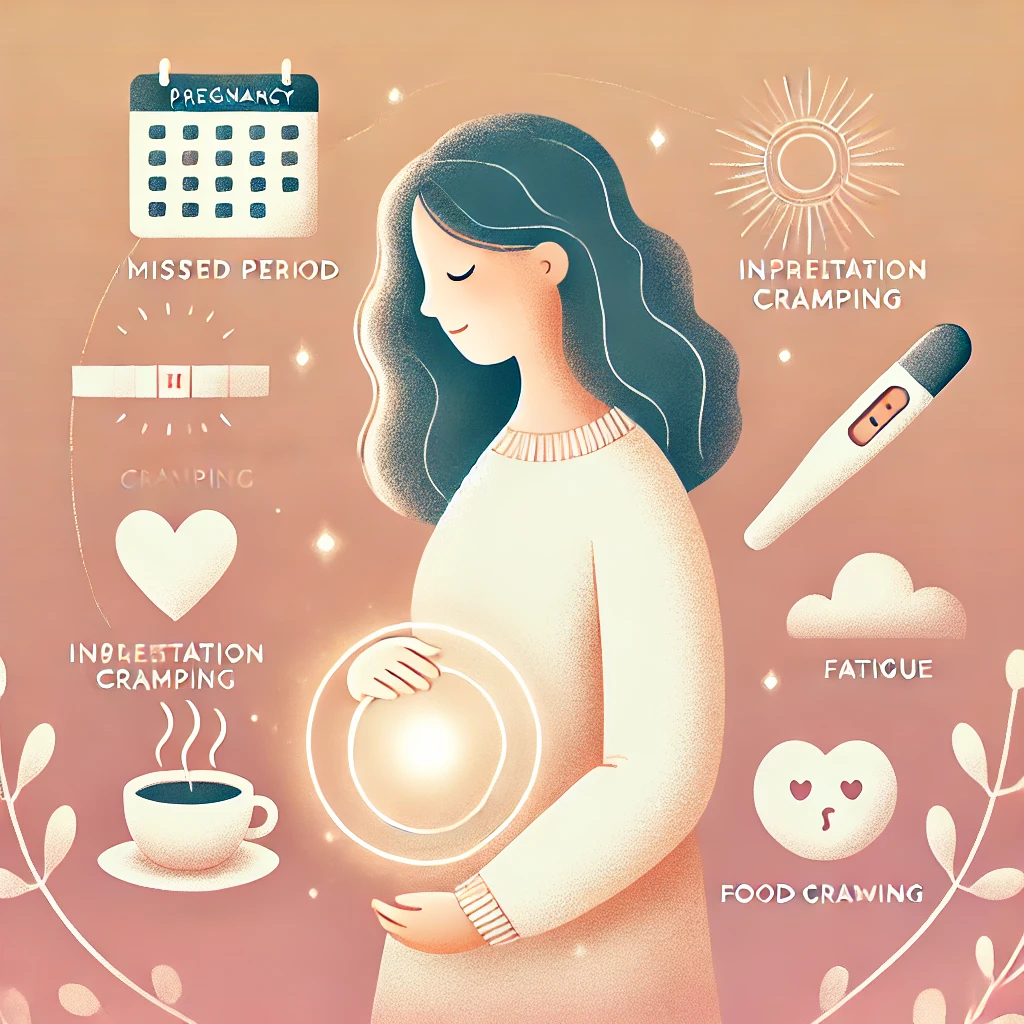
One of the earliest signs of IVF success is implantation bleeding. This occurs when the embryo attaches to the uterine lining, causing light spotting or pinkish discharge. It typically happens 6-12 days after embryo transfer. While not everyone experiences this, it’s a promising sign if you do.
Internal Source Link: Understanding Implantation Bleeding
2. Mild Cramping
Mild cramping, similar to menstrual cramps, can be another early indicator. This is caused by the embryo embedding itself into the uterine wall. However, severe pain should be reported to your doctor immediately.
3. Rising hCG Levels
The most definitive sign of IVF success is a rise in human chorionic gonadotropin (hCG) levels. This hormone is produced after implantation and is detected through a blood test about 10-14 days post-transfer. Rising hCG levels are a strong indicator of pregnancy.
External Source Link: hCG Levels and Pregnancy
4. Breast Tenderness
Hormonal changes during early pregnancy can cause breast tenderness or swelling. This is due to increased progesterone levels, which support pregnancy.
5. Fatigue
Feeling unusually tired? Fatigue is a common early pregnancy symptom caused by hormonal shifts and increased energy demands on your body.
6. Missed Period
If your period doesn’t arrive on time after the embryo transfer, it could be a sign of IVF success. However, some women may experience light bleeding even during pregnancy, so a blood test is essential for confirmation.
Internal Source Link: IVF and Menstrual Cycles
7. Nausea or Morning Sickness
While nausea typically starts a few weeks into pregnancy, some women may experience it earlier. This is due to rising hCG levels and hormonal changes.
External Source Link: Morning Sickness Explained
8. Increased Basal Body Temperature
A sustained rise in basal body temperature (BBT) after ovulation can indicate pregnancy. This is due to increased progesterone levels, which remain high during early pregnancy.
9. Mood Swings
Hormonal fluctuations can lead to mood swings, making you feel emotional or irritable. This is a common early pregnancy symptom.
10. Positive Pregnancy Test
While home pregnancy tests can detect hCG, they are not always accurate immediately after IVF. A blood test ordered by your fertility specialist is the most reliable way to confirm pregnancy.
External Source Link: Accuracy of Pregnancy Tests