IVF Two-Week Wait: What It Is and How to Cope
Introduction: Understanding the IVF Two-Week Wait
The IVF two-week wait is one of the most emotionally challenging phases of the in vitro fertilization (IVF) journey. This period begins immediately after the embryo transfer and lasts until the day of the pregnancy test, typically around 14 days later. During this time, hopeful parents experience a mix of anticipation, anxiety, and hope as they await the results that could change their lives.
The two-week wait is not just a physical process but also an emotional rollercoaster. Many couples describe it as a time of uncertainty, where every little symptom or sensation is analyzed for signs of pregnancy. It’s important to understand that this phase is a normal part of the IVF process and that managing stress and emotions is key to navigating it successfully.
For more detailed insights into the IVF process, visit IVF Treatment Methods, where you can explore comprehensive resources on embryo transfer and post-transfer care.
Development: The Emotional and Physical Aspects of the Two-Week Wait
1. The Emotional Rollercoaster
The IVF two-week wait is often described as an emotional rollercoaster. Hopeful parents may experience a wide range of emotions, from excitement and hope to fear and disappointment. It’s common to feel overwhelmed during this time, especially when the outcome is uncertain.
To cope with these emotions, it’s essential to build a strong support system. Lean on your partner, family, or friends who understand what you’re going through. Joining online forums or support groups can also provide comfort, as you connect with others who are on a similar journey.
Mindfulness and relaxation techniques, such as meditation or deep breathing exercises, can help manage anxiety. Remember, it’s okay to feel vulnerable during this time. Acknowledging your emotions and seeking support can make the wait more bearable.
2. Physical Symptoms and What They Mean
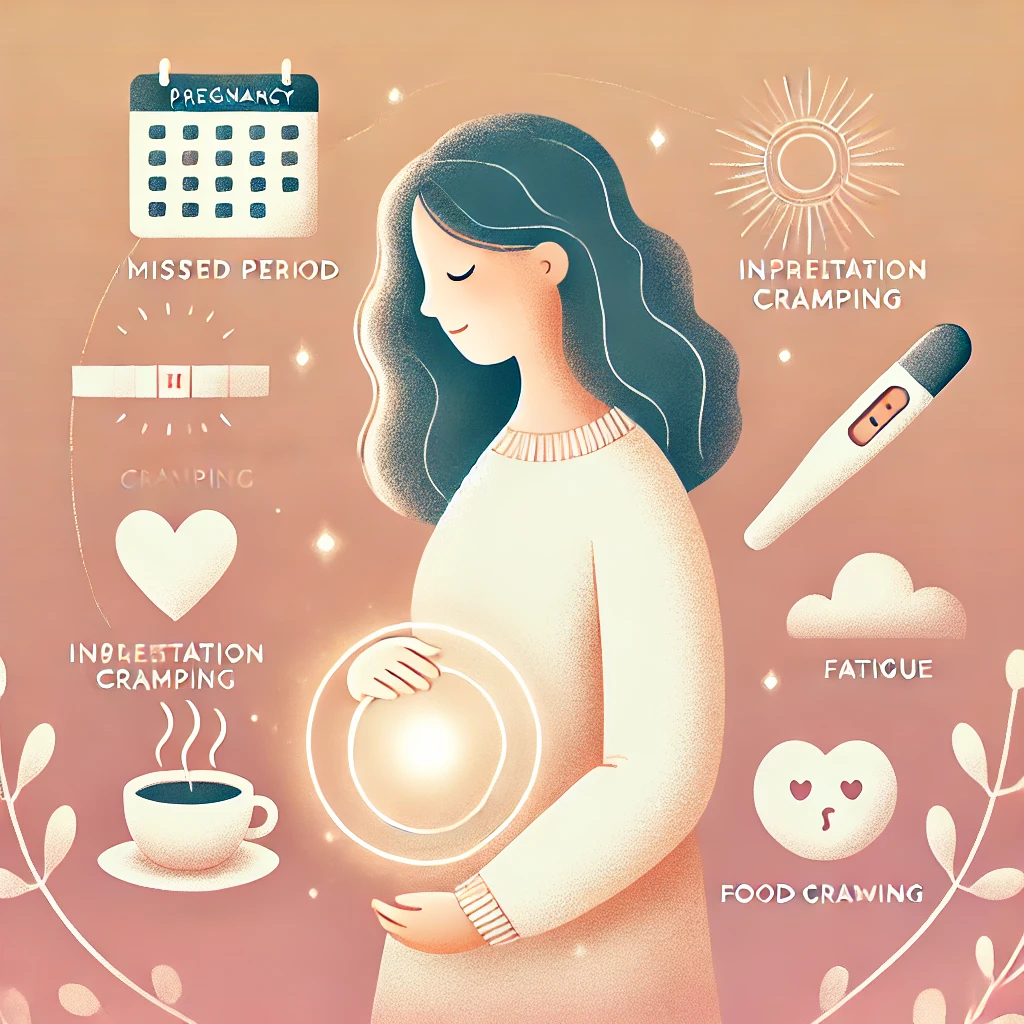
During the two-week wait, many women experience physical symptoms that can be confusing. Some may notice mild cramping, bloating, or breast tenderness, which can be caused by the hormonal medications used during IVF. While these symptoms might feel like early signs of pregnancy, they can also be side effects of the treatment.
It’s important not to read too much into every symptom. Overanalyzing can lead to unnecessary stress. Instead, focus on maintaining a healthy lifestyle. Eat nutritious foods, stay hydrated, and get plenty of rest. Avoid strenuous activities, but gentle exercises like walking or yoga can help keep your body and mind relaxed.
For more information on managing physical symptoms during IVF, check out IVF Treatment Methods.
3. Staying Positive and Realistic
Staying positive during the two-week wait is easier said than done, but it’s crucial for your mental well-being. Try to focus on the things you can control, such as your daily routine and self-care practices. Avoid comparing your journey to others’, as every IVF experience is unique.
It’s also important to prepare yourself for all possible outcomes. While it’s natural to hope for a positive result, being realistic can help you cope if the outcome isn’t what you expected. Remember, IVF is a process, and many couples require multiple cycles to achieve success.
Conclusion: Coping Strategies for the IVF Two-Week Wait
1. Building a Support System
Having a strong support system is one of the most effective ways to cope with the IVF two-week wait. Surround yourself with people who understand your journey and can offer emotional support. Whether it’s your partner, family, or a support group, knowing you’re not alone can make a significant difference.
2. Practicing Self-Care
Self-care is essential during this time. Engage in activities that bring you joy and relaxation, such as reading, listening to music, or taking warm baths. Avoid stressful situations and prioritize your mental health.
3. Seeking Professional Help
If the emotional toll becomes too much to handle, don’t hesitate to seek professional help. A therapist or counselor who specializes in fertility issues can provide valuable guidance and support.
For more tips on coping with the IVF two-week wait, visit IVF Treatment Methods.
External Resources
- American Society for Reproductive Medicine
- Resolve: The National Infertility Association
- Mayo Clinic: IVF Overview
By following these strategies and staying informed, you can navigate the IVF two-week wait with resilience and hope. Remember, you’re not alone in this journey, and every step brings you closer to your dream of parenthood.