Ovulation Disorders
1. What is Ovulation?
Ovulation is a critical phase in the menstrual cycle where a mature egg is released from the ovary, making it available for fertilization. This process is regulated by a complex interplay of hormones, primarily luteinizing hormone (LH) and follicle-stimulating hormone (FSH). The release of the egg typically occurs around the midpoint of the menstrual cycle, approximately 14 days before the next period.
Understanding ovulation is essential for women trying to conceive, as it marks the most fertile window in the cycle. According to the American Society for Reproductive Medicine (ASRM), tracking ovulation can significantly improve the chances of pregnancy. For those undergoing fertility treatments like IVF, monitoring ovulation is crucial for timing procedures such as egg retrieval.
For more detailed information, visit ASRM and Shady Grove Fertility.
2. The Hormonal Regulation of Ovulation
The ovulation process is governed by a delicate balance of hormones. The hypothalamus in the brain releases gonadotropin-releasing hormone (GnRH), which stimulates the pituitary gland to produce FSH and LH. FSH promotes the growth of ovarian follicles, while LH triggers the release of the mature egg.
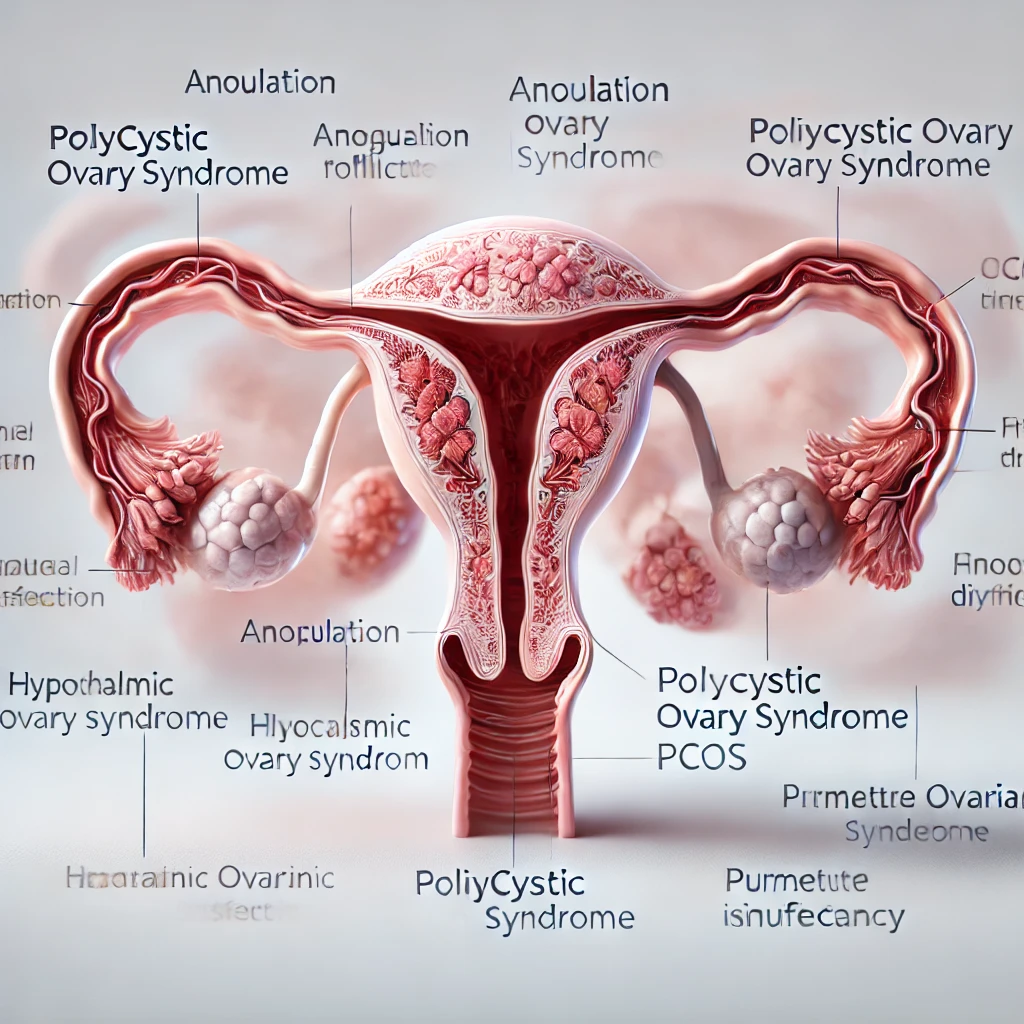
Hormonal imbalances can disrupt ovulation, leading to conditions like polycystic ovary syndrome (PCOS) or anovulation. Fertility clinics like CCRM IVF and Boston IVF often conduct hormonal assessments to diagnose and treat such issues.
For a deeper dive into hormonal regulation, explore resources at IVF Spain and Fertility Associates.
3. The Phases of the Ovulation Cycle
The ovulation cycle can be divided into three main phases: the follicular phase, ovulation, and the luteal phase. The follicular phase begins on the first day of menstruation and ends with ovulation. During this phase, FSH stimulates the growth of ovarian follicles.
The ovulation phase is marked by a surge in LH, which causes the dominant follicle to release an egg. The luteal phase follows ovulation, where the ruptured follicle transforms into the corpus luteum, producing progesterone to prepare the uterus for potential pregnancy.
For more insights, visit IVF Australia and IVF London.
4. Signs and Symptoms of Ovulation
Common signs of ovulation include a slight increase in basal body temperature, changes in cervical mucus, and mild pelvic pain known as mittelschmerz. Some women may also experience breast tenderness, bloating, or heightened senses.
Tracking these symptoms can help women identify their fertile window. Fertility clinics like Shady Grove Fertility often recommend ovulation predictor kits (OPKs) for accurate tracking.
For more information, check out IVF Babble and Fertility Institute.
5. Ovulation and Fertility
Ovulation is the cornerstone of fertility. Without the release of an egg, natural conception cannot occur. Understanding your ovulation cycle can help you time intercourse or fertility treatments effectively.
For those struggling with infertility, clinics like CCRM IVF and Boston IVF offer advanced treatments such as ovulation induction and intrauterine insemination (IUI).
Learn more about fertility treatments at IVF Spain and Fertility Associates.
6. Ovulation Disorders and Their Impact
Ovulation disorders, such as anovulation, PCOS, and luteal phase defects, can significantly impact fertility. These conditions often require medical intervention, including hormonal therapies or assisted reproductive technologies (ART).
Clinics like IVF Australia and IVF London specialize in diagnosing and treating ovulation disorders. Early diagnosis and treatment can improve the chances of conception.
For more details, visit IVF Babble and Fertility Institute.
7. Ovulation Tracking Methods
There are several methods to track ovulation, including calendar tracking, basal body temperature charting, and ovulation predictor kits. Each method has its pros and cons, and the choice depends on individual preferences and medical advice.
Fertility clinics like Shady Grove Fertility often recommend combining multiple methods for greater accuracy. For more information, visit ASRM and IVF Spain.
8. Ovulation and Age
As women age, the quality and quantity of their eggs decline, leading to reduced fertility. This decline becomes more pronounced after the age of 35, making it harder to conceive naturally.
Fertility clinics like CCRM IVF and Boston IVF offer treatments such as egg freezing to preserve fertility. For more insights, explore Fertility Associates and IVF Australia.
9. Ovulation and Lifestyle Factors
Lifestyle factors such as diet, exercise, and stress can impact ovulation. Maintaining a healthy lifestyle can improve hormonal balance and overall fertility.
For personalized advice, consult with fertility experts at Shady Grove Fertility and IVF London.
10. Ovulation and Assisted Reproductive Technologies (ART)
For those facing ovulation disorders or other fertility challenges, ART treatments like IVF can offer a solution. These treatments often involve ovulation induction to stimulate egg production.
Learn more about ART at IVF Spain and Fertility Institute.
By understanding ovulation and its impact on fertility, women can take proactive steps towards achieving their reproductive goals. For more detailed information, visit the provided links and consult with fertility experts.