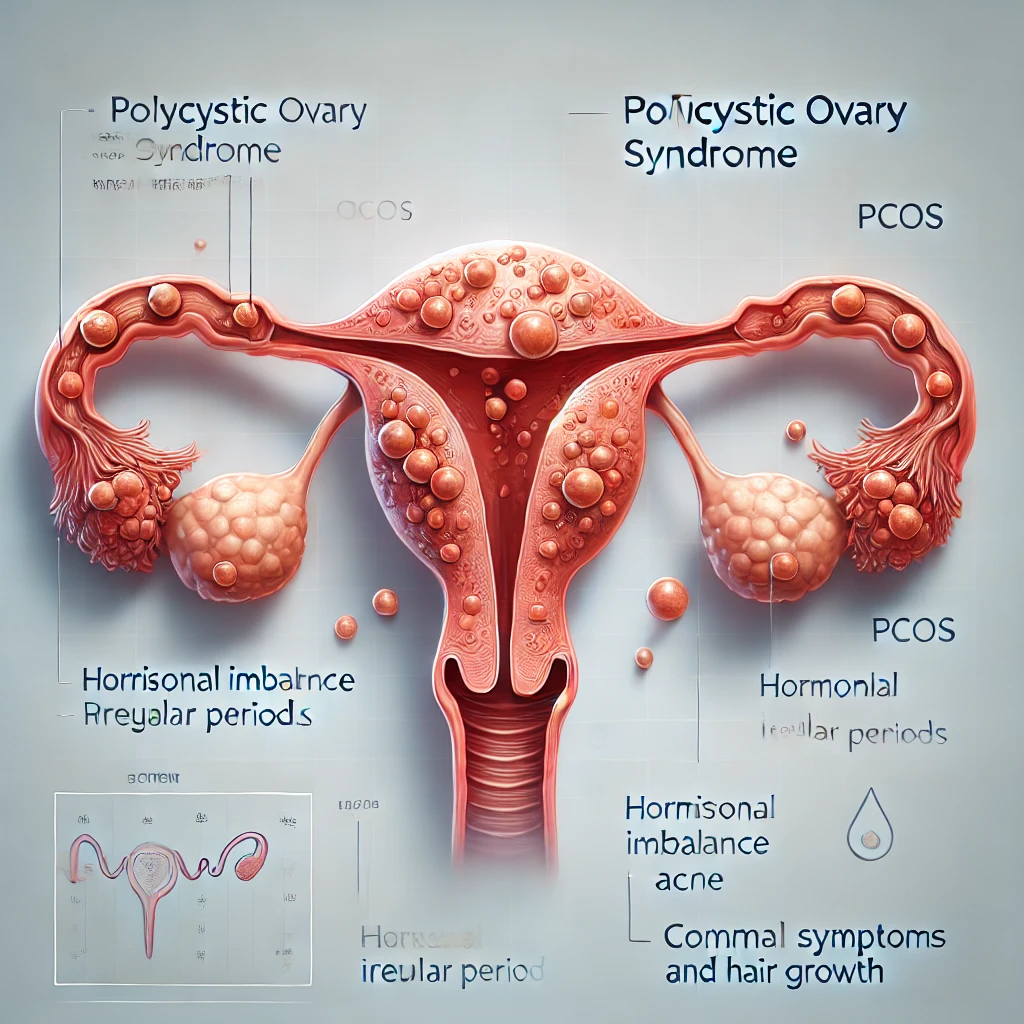
Understanding Polycystic Ovary Syndrome (PCOS): A Comprehensive Guide
Polycystic Ovary Syndrome (PCOS) is a common hormonal disorder affecting women of reproductive age. It can lead to various symptoms, including irregular periods, weight gain, acne, and fertility issues. Below, we explore 10 key topics related to PCOS, providing detailed, SEO-optimized, and user-friendly information to help you better understand this condition.
1. What is PCOS? Understanding the Basics
Polycystic Ovary Syndrome (PCOS) is a hormonal imbalance that affects 1 in 10 women of childbearing age. It occurs when the ovaries produce excess androgens (male hormones), leading to irregular ovulation and the formation of small cysts on the ovaries. Common symptoms include irregular periods, excessive hair growth, acne, and weight gain.
Diagnosing PCOS typically involves a combination of blood tests, ultrasounds, and a review of symptoms. According to ASRM, PCOS is diagnosed when at least two of the following are present: irregular periods, elevated androgen levels, or polycystic ovaries on ultrasound. Early diagnosis is crucial for managing symptoms and preventing long-term complications like diabetes and heart disease.
For more information on PCOS diagnosis, visit Shady Grove Fertility, which offers detailed guides on understanding and managing PCOS.
2. PCOS and Fertility: Challenges and Solutions
PCOS is one of the leading causes of infertility in women. The hormonal imbalance disrupts ovulation, making it difficult to conceive naturally. However, with proper treatment, many women with PCOS can achieve pregnancy.
Treatment options include lifestyle changes, medications like Clomid or Letrozole, and assisted reproductive technologies (ART) such as IVF. According to Boston IVF, women with PCOS often respond well to fertility treatments, with success rates comparable to those without the condition.
For personalized fertility plans, visit IVF Spain, which specializes in treating PCOS-related infertility.
3. Managing PCOS Symptoms: Lifestyle and Diet Tips
Lifestyle modifications play a crucial role in managing PCOS symptoms. Regular exercise, a balanced diet, and stress management can help regulate hormones and improve insulin sensitivity. A low-glycemic diet rich in whole grains, lean proteins, and healthy fats is often recommended.
Websites like Fertility Associates provide valuable resources on PCOS-friendly diets and exercise routines. Additionally, IVF Babble shares success stories of women who have managed their symptoms through lifestyle changes.
4. PCOS and Weight Management: Breaking the Cycle
Weight gain is a common challenge for women with PCOS, often due to insulin resistance. However, losing even a small amount of weight can significantly improve symptoms and hormone levels.
Resources from CCRM IVF emphasize the importance of a structured weight management plan, including regular exercise and a nutrient-dense diet. For more tips, visit IVF Fertility Centre.
5. PCOS and Mental Health: Addressing Emotional Well-being
The hormonal imbalances associated with PCOS can lead to anxiety, depression, and mood swings. Addressing mental health is a critical component of managing PCOS.
IVF London offers resources on mental health support for women with PCOS, including therapy and stress management techniques.
6. PCOS and Insulin Resistance: Understanding the Link
Insulin resistance is a common feature of PCOS, contributing to weight gain and hormonal imbalances. Managing insulin levels through diet, exercise, and medications like Metformin can improve symptoms.
For more information, visit Fertility Institute.
7. PCOS Treatment Options: Medications and Therapies
Treatment for PCOS varies depending on symptoms and goals. Common medications include birth control pills, Metformin, and fertility drugs.
IVF Australia provides comprehensive guides on PCOS treatments, helping women make informed decisions about their care.
8. PCOS and Pregnancy: What to Expect
Women with PCOS may face higher risks during pregnancy, such as gestational diabetes and preeclampsia. However, with proper care, many have successful pregnancies.
Visit Shady Grove Fertility for expert advice on managing PCOS during pregnancy.
9. Long-term Health Risks of PCOS
PCOS increases the risk of developing type 2 diabetes, heart disease, and endometrial cancer. Regular check-ups and a healthy lifestyle can reduce these risks.
For more information, visit ASRM.
10. Success Stories: Living Well with PCOS
Hearing from others who have successfully managed PCOS can be incredibly motivating. Websites like IVF Babble share real-life stories of women overcoming PCOS challenges.

