
IVF Success Rates by Age: What is the Probability of Success?
In vitro fertilization (IVF) has become a beacon of hope for couples facing infertility. However, the probability of a successful pregnancy with IVF treatment varies significantly, and age is one of the primary factors influencing success rates. Understanding the correlation between age and IVF success can be crucial for those considering or undergoing IVF treatment. This article explores IVF success rates by age, highlighting IVF treatment methods and other factors impacting fertility outcomes.
What is IVF Treatment?
IVF, or in vitro fertilization, is a process where eggs are fertilized by sperm outside the body in a lab environment. This fertilized egg (or embryo) is then transferred into the uterus to establish a pregnancy. IVF treatment methods have advanced over the years, making it possible for many who struggle with infertility to experience parenthood. The success of IVF treatment depends on several factors, with age being one of the most influential.
How Does Age Affect IVF Success Rates?
Age is a critical component in IVF treatment, with a direct impact on both the quantity and quality of a woman’s eggs. As women age, their ovarian reserve (the number of available eggs) declines, along with the quality of the eggs, which can result in lower success rates in IVF treatment.
Success Rates for Different Age Groups
Women Under 35 Years of Age
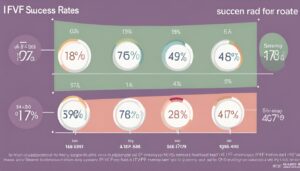
Women under 35 generally have the highest success rates with IVF treatment. According to the CDC, the live birth rate per IVF cycle in this age group can be as high as 50%. This high rate of success is due to the typically high egg quality and quantity found in younger women.
Women Aged 35-37 Years
In this age group, the success rates for IVF treatment start to decrease slightly, with an approximate success rate of 40%. Fertility specialists often recommend IVF treatment for women in this age bracket due to the still favorable likelihood of success.
Women Aged 38-40 Years
IVF success rates decline more noticeably among women aged 38 to 40, with an average success rate ranging from 25% to 30%. While the chance of success is lower, IVF treatment methods, such as preimplantation genetic testing, can help improve outcomes by selecting the healthiest embryos for implantation.
Women Aged 41-42 Years
For women in the early 40s, the success rate drops to around 15% to 20%. The decline is primarily due to a significant decrease in egg quality, which affects embryo viability and implantation potential in IVF treatment.
Women Over 43 Years of Age
For women aged 43 and above, the success rate for IVF treatment further declines, often falling below 10%. Many in this age group consider options like egg donation, which involves using eggs from a younger donor, dramatically increasing the success rate in IVF treatment
Factors Affecting IVF Success Rates
Apart from age, several other factors can influence IVF success rates:
- Quality of the Embryo: Embryo quality is crucial, as it determines the likelihood of successful implantation. Healthier embryos lead to higher success rates in IVF treatment
- Cause of Infertility: The underlying cause of infertility can impact IVF success rates. Conditions such as polycystic ovarian syndrome (PCOS), endometriosis, or male factor infertility may affect IVF treatment outcomes.
- IVF Treatment Methods: Advancements in IVF treatment methods, such as intracytoplasmic sperm injection (ICSI) and preimplantation genetic testing (PGT), have helped increase success rates by selecting and implanting only the most viable embryos.
- Lifestyle Factors: Lifestyle factors like smoking, alcohol consumption, and body weight can influence the success rate of IVF treatment. Maintaining a healthy lifestyle is crucial for optimizing outcomes.
IVF Treatment Methods and Success Rates
Understanding the range of IVF treatment methods available can help patients tailor their approach to increase success rates.
Intracytoplasmic Sperm Injection (ICSI)
ICSI involves injecting a single sperm directly into an egg to facilitate fertilization. This IVF treatment method is particularly effective for couples dealing with male infertility and can improve success rates when male factor infertility is a concern.
Preimplantation Genetic Testing (PGT)
PGT is used to screen embryos for genetic abnormalities before implantation, which can be helpful, especially for older women. By selecting embryos without chromosomal abnormalities, this IVF treatment method helps improve the chances of a successful pregnancy.
Egg and Embryo Freezing
Egg or embryo freezing is beneficial for women who may want to delay childbearing. Women can freeze their eggs while they are younger, preserving their quality for future IVF treatment. This IVF treatment option is becoming more popular among women in their 20s and early 30s who want to preserve their fertility for later.
Tips for Optimizing IVF Success
- Early Consultation with a Fertility Specialist
Consulting a fertility specialist early can provide insights into IVF treatment options and potential success rates based on individual health factors.
- Focus on a Healthy Lifestyle
A healthy lifestyle, including a balanced diet, regular exercise, and managing stress, can help enhance IVF success. Smoking cessation and limiting alcohol intake are also recommended.
- Consider Alternative Options if Necessary
For women over 40, alternative options like egg donation may be more viable for achieving a successful pregnancy.
- Research and Select the Right Clinic
Not all IVF clinics are equal. Some clinics specialize in certain age groups or fertility issues, and finding the right clinic can significantly impact success rates in IVF treatment.
Addressing Common Myths About Age and IVF Treatment
Myth 1: IVF Guarantees Pregnancy Regardless of Age
While IVF treatment offers hope, it does not guarantee pregnancy, especially for older women. Understanding the age-related decline in success rates can help set realistic expectations.
Myth 2: Age Does Not Affect Male Fertility in IVF Treatment
Age-related fertility challenges are not limited to women; studies show that male fertility also declines with age, which can impact IVF treatment outcomes.
Myth 3: Using Younger Donor Eggs Always Guarantees Success
Although younger donor eggs increase success rates, they do not guarantee success. Other factors, such as the woman’s uterine health, play a role in IVF treatment success.
Final Thoughts on IVF Success Rates by Age
IVF treatment is a powerful option for those facing infertility, but understanding how age impacts success rates is crucial. By consulting with a fertility specialist, exploring advanced IVF treatment methods, and considering personal health factors, couples can optimize their chances of achieving a successful pregnancy through IVF.
Age plays a pivotal role in IVF success, with higher success rates for younger women. Yet, advancements in IVF treatment continue to provide hope for women across different age groups. Staying informed and seeking guidance from experts can help navigate the journey of IVF treatment with realistic expectations and the best chances of success.


