IVF for Over 40: What Are the Success Rates?
Embarking on the journey of in vitro fertilization (IVF) over the age of 40 is a significant decision that intertwines hope, science, and personal resilience. As your healthcare provider, it’s essential to provide you with a comprehensive understanding of the success rates, influencing factors, and available options to make informed choices about your fertility journey.
Understanding IVF Success Rates Over 40
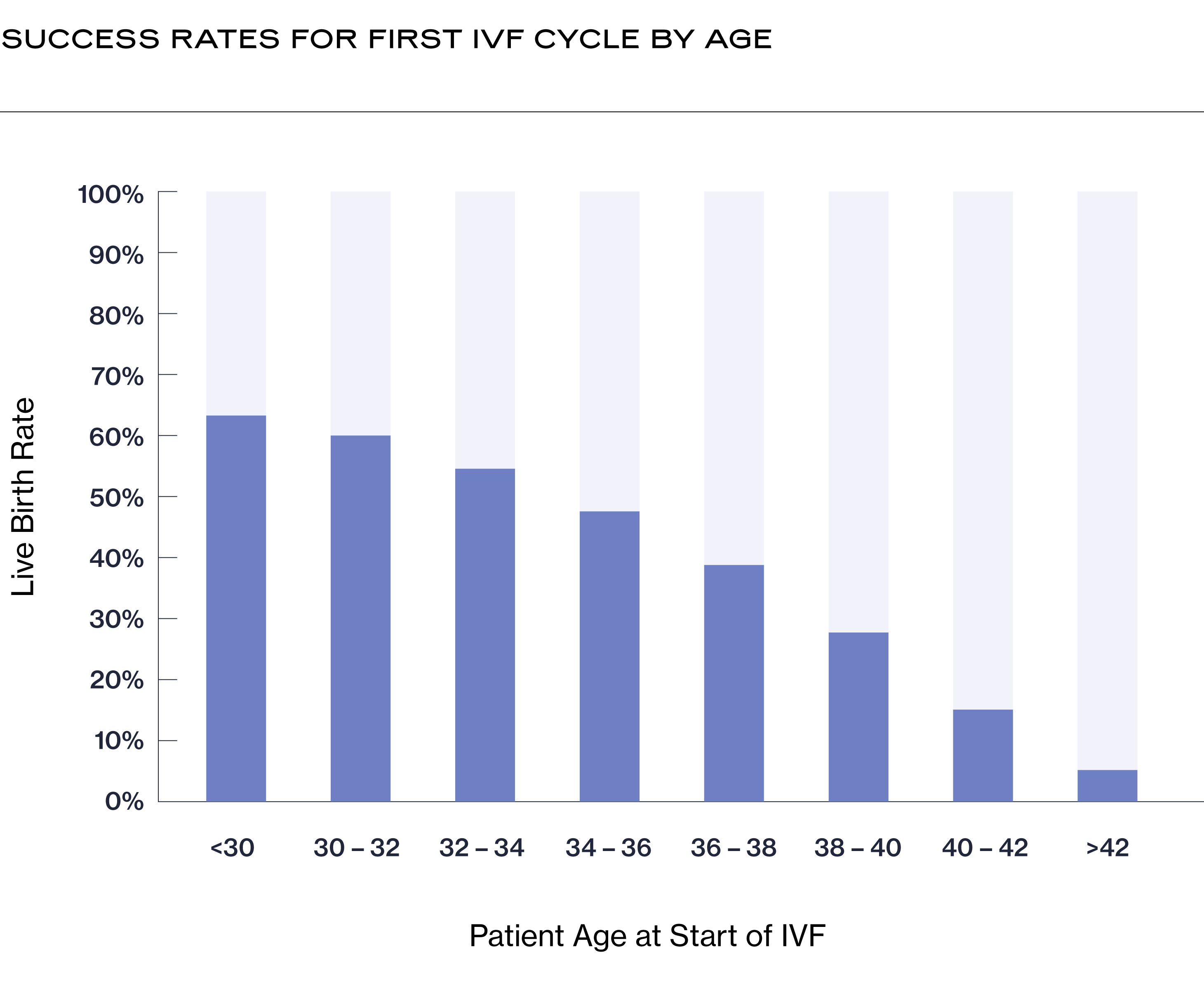
Age is a pivotal factor influencing IVF success. As women age, particularly after 40, the quantity and quality of their eggs decline, impacting the likelihood of successful conception. According to the NHS, the success rates for IVF decrease with age:
- 32% for women under 35
- 25% for women aged 35 to 37
- 19% for women aged 38 to 39
- 11% for women aged 40 to 42
- 5% for women aged 43 to 44
- 4% for women over 44
These statistics highlight the natural decline in fertility; however, they also underscore that successful pregnancies are still possible over 40.
Factors Influencing Success Rates
Several factors can affect IVF success rates in women over 40:
- Egg Quality and Quantity: The ovarian reserve diminishes with age, leading to fewer and lower-quality eggs. This reduction can affect embryo quality and implantation success.
- Uterine Health: Age-related changes in the uterus, such as fibroids or endometrial thinning, can impact embryo implantation.
- Lifestyle Factors: Smoking, alcohol consumption, and obesity can further reduce fertility and IVF success rates.
- Underlying Health Conditions: Conditions like endometriosis or polycystic ovary syndrome (PCOS) can influence outcomes.
Enhancing IVF Success Over 40
While age-related decline in fertility is natural, certain strategies may enhance IVF success rates:
- Personalized Treatment Plans: Tailoring protocols to your specific hormonal profile and ovarian reserve can optimize outcomes.
- Preimplantation Genetic Testing (PGT): Screening embryos for chromosomal abnormalities can increase the chances of selecting viable embryos for transfer.
- Lifestyle Modifications: Adopting a healthy diet, regular exercise, and stress-reduction techniques can improve overall reproductive health.
- Use of Donor Eggs: For some, using donor eggs from younger women can significantly increase success rates, as donor eggs are typically of higher quality.
Alternative Options and Considerations
For women over 40, it’s crucial to explore all available options:
- Egg Donation: Utilizing donor eggs can bypass age-related egg quality issues, offering higher success rates.
- Embryo Adoption: Adopting embryos from other couples who have completed their families can be a viable option.
- Surrogacy: For those with uterine issues, surrogacy allows another woman to carry the pregnancy.
Emotional and Psychological Support
The IVF journey, especially over 40, can be emotionally taxing. Engaging in counseling or support groups can provide coping mechanisms and emotional support throughout the process.
Conclusion
While IVF success rates decline with age, women over 40 still have pathways to achieve successful pregnancies. By understanding the factors at play and exploring all available options, you can make informed decisions tailored to your unique circumstances. Open communication with your fertility specialist is key to navigating this journey effectively.