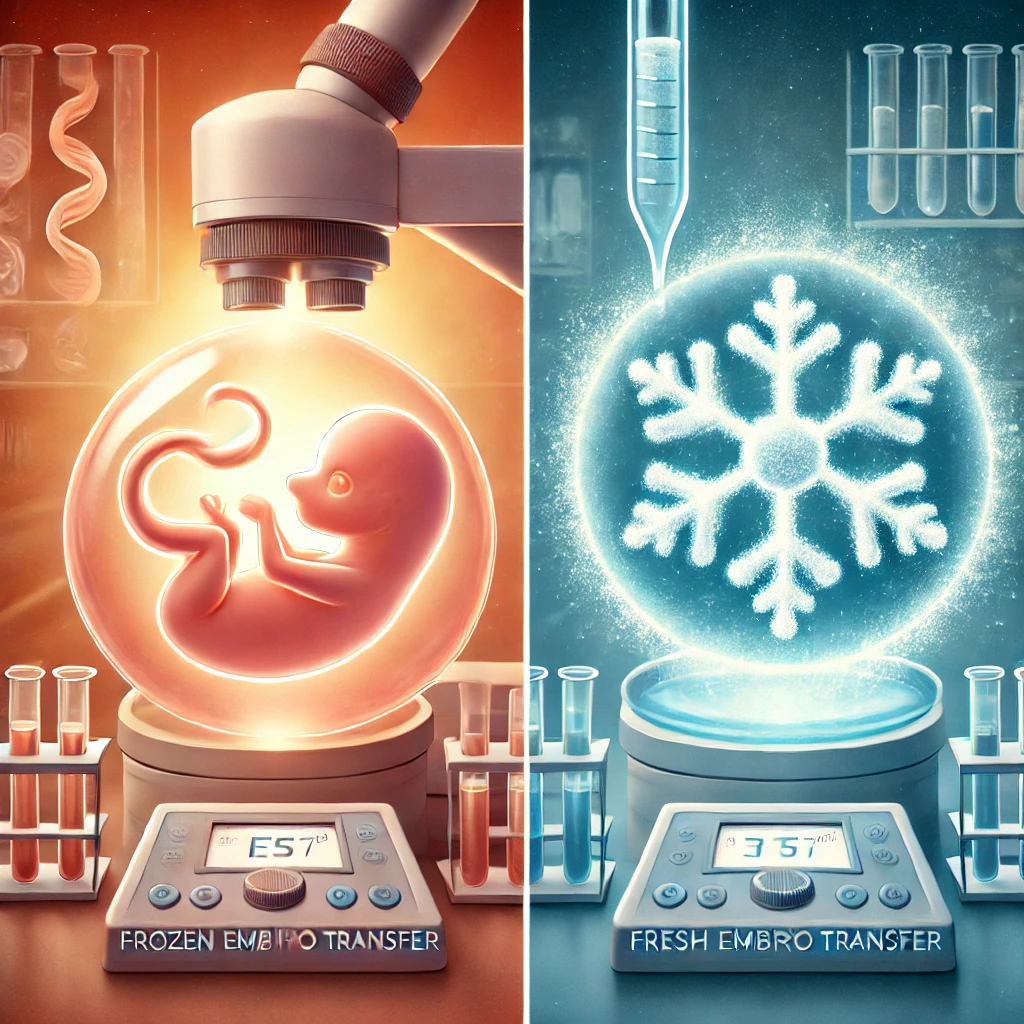
Frozen Embryo Transfer (FET) and Fresh: Which is Better?
In vitro fertilization (IVF) has revolutionized reproductive medicine, offering hope to millions of couples struggling with infertility. One of the critical decisions in IVF treatment is choosing between frozen embryo transfer (FET) and fresh embryo transfer. Both methods have their unique advantages and potential drawbacks, and understanding the differences can help patients make informed decisions. This article delves into the science behind frozen and fresh embryo transfers, their success rates, and which option might be better for your IVF journey.
Introduction: Understanding Frozen and Fresh Embryo Transfers
When undergoing IVF, embryos are created by fertilizing eggs with sperm in a laboratory. These embryos can either be transferred immediately (fresh embryo transfer) or frozen for future use (frozen embryo transfer). The choice between the two depends on various factors, including the patient’s health, the quality of the embryos, and the clinic’s protocols.
Fresh embryo transfer involves implanting the embryo into the uterus within three to five days after fertilization. This method is often chosen when the patient’s hormonal environment is optimal for implantation. On the other hand, frozen embryo transfer involves freezing the embryos and thawing them for transfer in a subsequent cycle. This approach allows for better timing and preparation of the uterine lining.
Both methods have shown success, but recent studies suggest that frozen embryo transfers may offer higher success rates in certain cases. However, the decision should be personalized, taking into account the patient’s medical history and specific circumstances.
Development: Comparing Success Rates, Benefits, and Risks
Success Rates
Research indicates that frozen embryo transfer may have a slight edge in terms of success rates. A study published in the New England Journal of Medicine found that FET resulted in higher live birth rates compared to fresh transfers, particularly in women with polycystic ovary syndrome (PCOS). This is because freezing embryos allows the uterus to recover from the hormonal stimulation of IVF, creating a more natural environment for implantation.
However, fresh embryo transfer remains a viable option, especially for patients with a limited number of high-quality embryos. Fresh transfers are often preferred in cases where immediate implantation is deemed beneficial.
Benefits of Frozen Embryo Transfer
- Better Uterine Environment: FET allows the uterus to recover from the effects of ovarian stimulation, improving the chances of successful implantation.
- Flexibility: Frozen embryos can be stored for years, giving patients the flexibility to plan their pregnancy.
- Reduced Risk of Ovarian Hyperstimulation Syndrome (OHSS): FET eliminates the risk of OHSS, a potentially serious complication of ovarian stimulation.
Benefits of Fresh Embryo Transfer
- Immediate Use: Fresh transfers eliminate the need for freezing and thawing, which can sometimes affect embryo quality.
- Cost-Effective: Fresh transfers may be more cost-effective for patients who do not require embryo freezing.
- Natural Cycle: For some patients, fresh transfers align better with their natural menstrual cycle.
Risks and Considerations
While FET offers several advantages, it is not without risks. The freezing and thawing process can sometimes damage embryos, although advancements in vitrification (a rapid freezing technique) have significantly reduced this risk. Additionally, FET may be associated with a slightly higher risk of pregnancy complications, such as preeclampsia.
Fresh embryo transfers, on the other hand, carry the risk of OHSS and may not be suitable for patients with hormonal imbalances.
Conclusion: Which is Better for You?
The choice between frozen embryo transfer and fresh embryo transfer depends on individual factors, including your medical history, the quality of your embryos, and your clinic’s recommendations. While FET has shown higher success rates in some studies, fresh transfers remain a valuable option for many patients.
It’s essential to consult with your fertility specialist to determine the best approach for your unique situation. By understanding the benefits and risks of each method, you can make an informed decision that aligns with your goals and increases your chances of a successful pregnancy.
External Sources
- American Society for Reproductive Medicine (ASRM)
- New England Journal of Medicine Study on FET
- Mayo Clinic: Frozen vs. Fresh Embryo Transfer
By exploring these resources and discussing your options with a qualified fertility specialist, you can navigate the complexities of IVF with confidence and clarity. Whether you choose frozen embryo transfer or fresh embryo transfer, the ultimate goal is to achieve a healthy pregnancy and fulfill your dream of parenthood.


