Endometriosis and Infertility: A Comprehensive Guide
Endometriosis is a complex condition affecting millions of women worldwide, often leading to infertility. This guide explores the connection between endometriosis and infertility, offering detailed insights into diagnosis, treatment options, and emotional support. By referencing reputable sources like ASRM, Shady Grove Fertility, and IVF Australia, we aim to provide scientifically accurate, easy-to-read, and SEO-optimized content for those seeking answers.
1. What is Endometriosis?
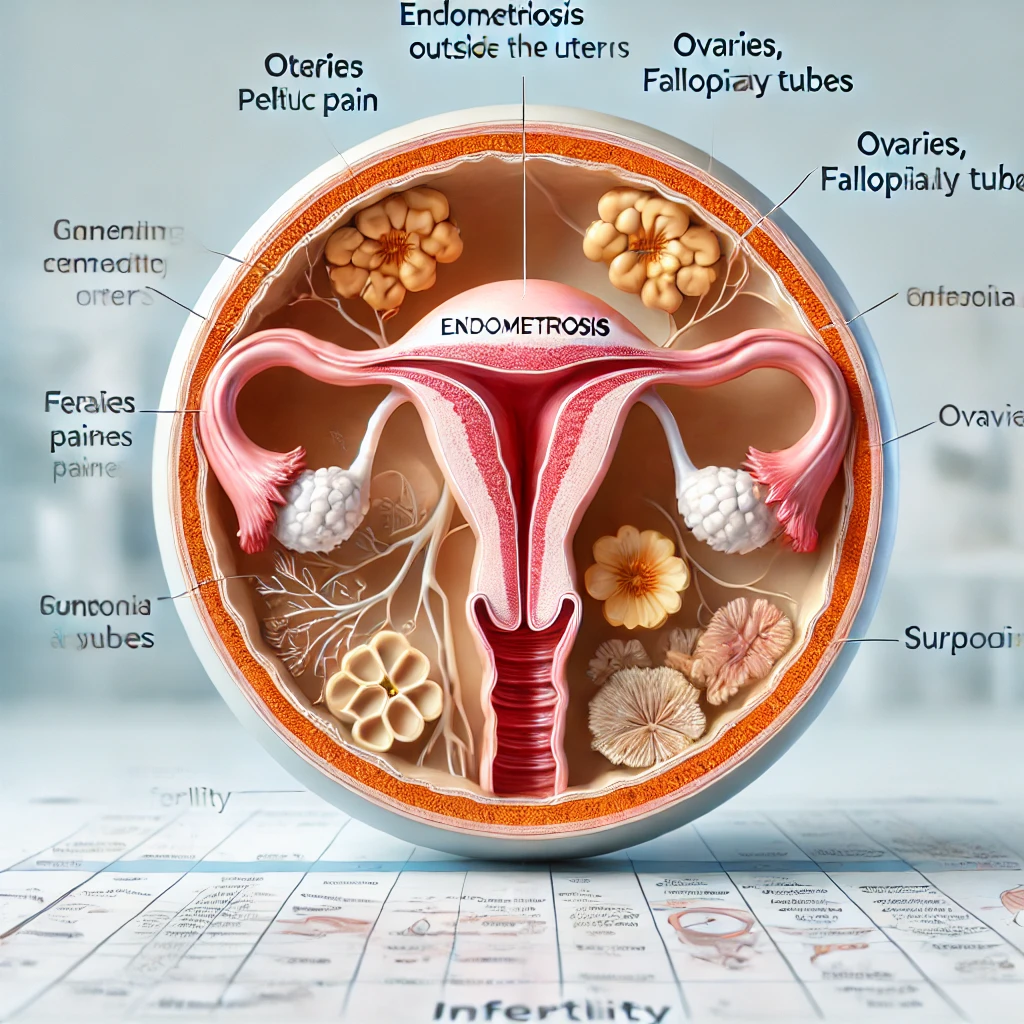
Endometriosis occurs when tissue similar to the lining of the uterus grows outside the uterus, causing pain, inflammation, and scarring. This condition affects approximately 10% of women of reproductive age, according to the American Society for Reproductive Medicine (ASRM).
The misplaced tissue responds to hormonal changes, leading to bleeding and inflammation during menstrual cycles. Over time, this can result in adhesions and cysts, which may interfere with reproductive organs. For example, Shady Grove Fertility highlights that endometriosis is one of the leading causes of infertility, affecting nearly 30-50% of women with the condition.
Understanding the symptoms—such as severe menstrual pain, chronic pelvic pain, and pain during intercourse—is crucial for early diagnosis and management. Early intervention can improve fertility outcomes and quality of life.
2. How Endometriosis Causes Infertility
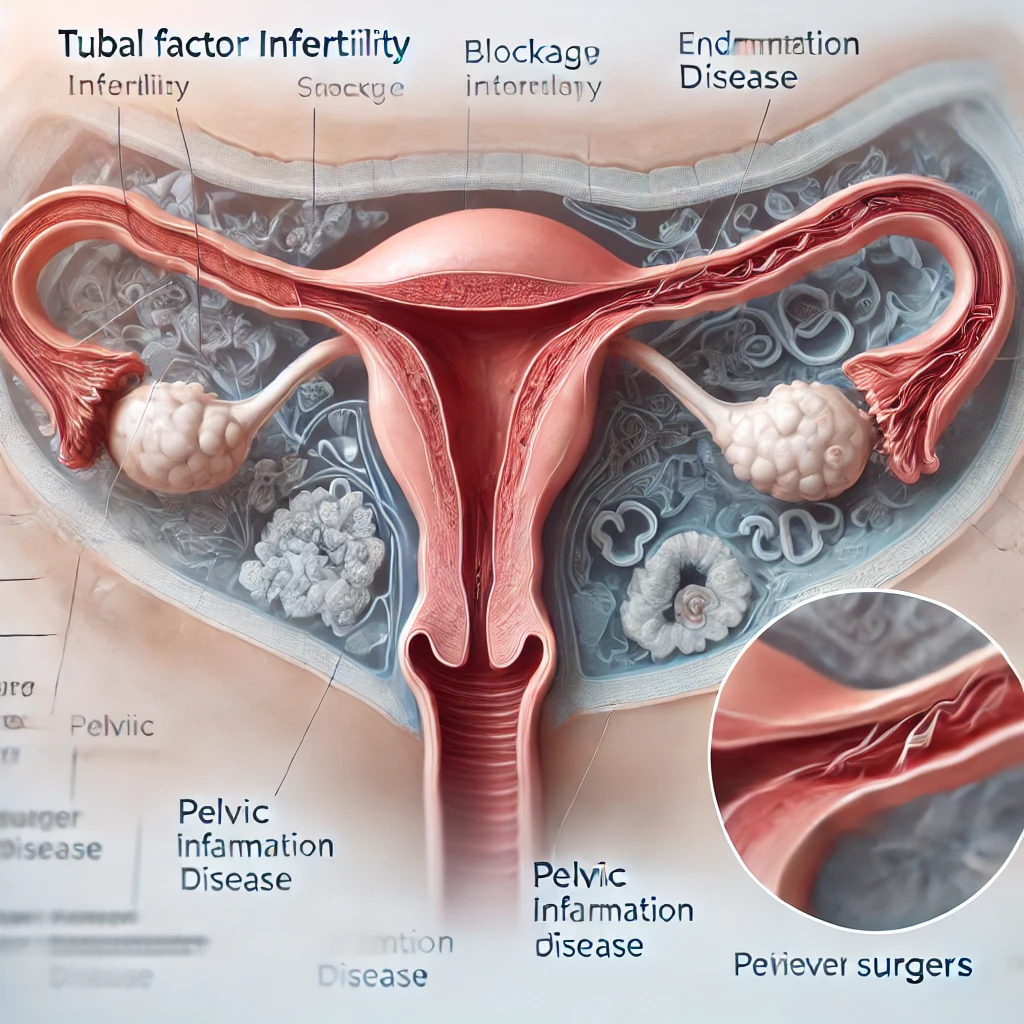
Endometriosis can impact fertility in several ways. The condition may cause physical blockages in the fallopian tubes, prevent ovulation, or create an inhospitable environment for implantation.
For instance, IVF Australia explains that endometriosis can lead to the formation of endometriomas (ovarian cysts), which may damage ovarian tissue and reduce egg quality. Additionally, inflammation caused by endometriosis can affect sperm function and embryo development.
Studies from CCRM IVF suggest that even mild endometriosis can reduce fertility by altering pelvic anatomy and immune function. This makes it essential for women with endometriosis to seek specialized care to optimize their chances of conception.
3. Diagnosing Endometriosis and Infertility
Diagnosing endometriosis often involves a combination of medical history, physical exams, imaging tests, and laparoscopic surgery. The Fertility Institute emphasizes that laparoscopy is the gold standard for diagnosis, allowing doctors to visualize and biopsy endometrial lesions.
Infertility evaluations typically include hormone testing, ultrasound scans, and semen analysis for male partners. Websites like IVF Babble provide detailed guides on what to expect during these tests, helping patients feel prepared and informed.
Early diagnosis is key to managing symptoms and preserving fertility. If you suspect endometriosis, consult a fertility specialist to explore your options.
4. Treatment Options for Endometriosis-Related Infertility
Treatment for endometriosis-related infertility depends on the severity of the condition and the patient’s goals. Options include medication, surgery, and assisted reproductive technologies (ART).
Boston IVF highlights that laparoscopic surgery can remove endometrial lesions and improve fertility outcomes. However, for some women, in vitro fertilization (IVF) may be the best option. IVF Spain reports success rates of up to 60% for women with endometriosis undergoing IVF.
Medications like GnRH agonists can suppress endometriosis symptoms but are typically used short-term due to side effects. A personalized treatment plan, developed with a fertility specialist, is essential for success.
5. The Role of IVF in Treating Endometriosis-Related Infertility
IVF is often recommended for women with endometriosis who struggle to conceive naturally. The process involves stimulating the ovaries, retrieving eggs, fertilizing them in a lab, and transferring embryos into the uterus.
IVF London notes that IVF bypasses many of the challenges posed by endometriosis, such as blocked fallopian tubes or poor egg quality. Additionally, preimplantation genetic testing (PGT) can improve success rates by selecting the healthiest embryos.
For those considering IVF, resources like IVF Fertility Centre offer comprehensive information on the process, costs, and success rates.
6. Lifestyle Changes to Improve Fertility with Endometriosis
Lifestyle modifications can complement medical treatments for endometriosis-related infertility. A balanced diet, regular exercise, and stress management can improve overall health and fertility.
Fertility Associates of New Zealand recommends anti-inflammatory diets rich in fruits, vegetables, and omega-3 fatty acids to reduce endometriosis symptoms. Additionally, avoiding alcohol and smoking can enhance fertility outcomes.
Mindfulness practices like yoga and meditation can also help manage the emotional toll of endometriosis and infertility.
7. Emotional Support for Women with Endometriosis and Infertility
The emotional impact of endometriosis and infertility can be overwhelming. Support groups, counseling, and online communities can provide much-needed comfort and guidance.
Websites like IVF Babble offer forums where women can share their experiences and find solidarity. Additionally, many fertility clinics, including Shady Grove Fertility, provide counseling services to help patients navigate their journey.
Remember, you are not alone. Seeking emotional support is a vital part of the healing process.
8. Success Stories: Overcoming Endometriosis-Related Infertility
Hearing success stories can provide hope and inspiration. Many women with endometriosis have gone on to have healthy pregnancies through treatments like surgery, IVF, and lifestyle changes.
For example, CCRM IVF shares testimonials from patients who successfully conceived after years of struggling with endometriosis. These stories highlight the importance of perseverance and personalized care.
If you’re facing endometriosis-related infertility, know that success is possible with the right treatment and support.
9. The Future of Endometriosis and Infertility Research
Advances in research are offering new hope for women with endometriosis. Scientists are exploring innovative treatments, such as stem cell therapy and targeted medications, to improve fertility outcomes.
ASRM reports ongoing studies into the genetic and molecular mechanisms of endometriosis, which could lead to more effective treatments. Additionally, IVF Spain is investigating ways to enhance IVF success rates for women with the condition.
Staying informed about the latest research can help you make empowered decisions about your care.
10. Conclusion: Taking Control of Your Fertility Journey
Endometriosis and infertility can be challenging, but with the right knowledge and support, you can take control of your fertility journey. From early diagnosis to advanced treatments like IVF, there are many options available to help you achieve your dream of parenthood.
By leveraging resources from trusted organizations like ASRM, Shady Grove Fertility, and IVF Australia, you can make informed decisions and find the care you need. Remember, you are not alone—help is available every step of the way.