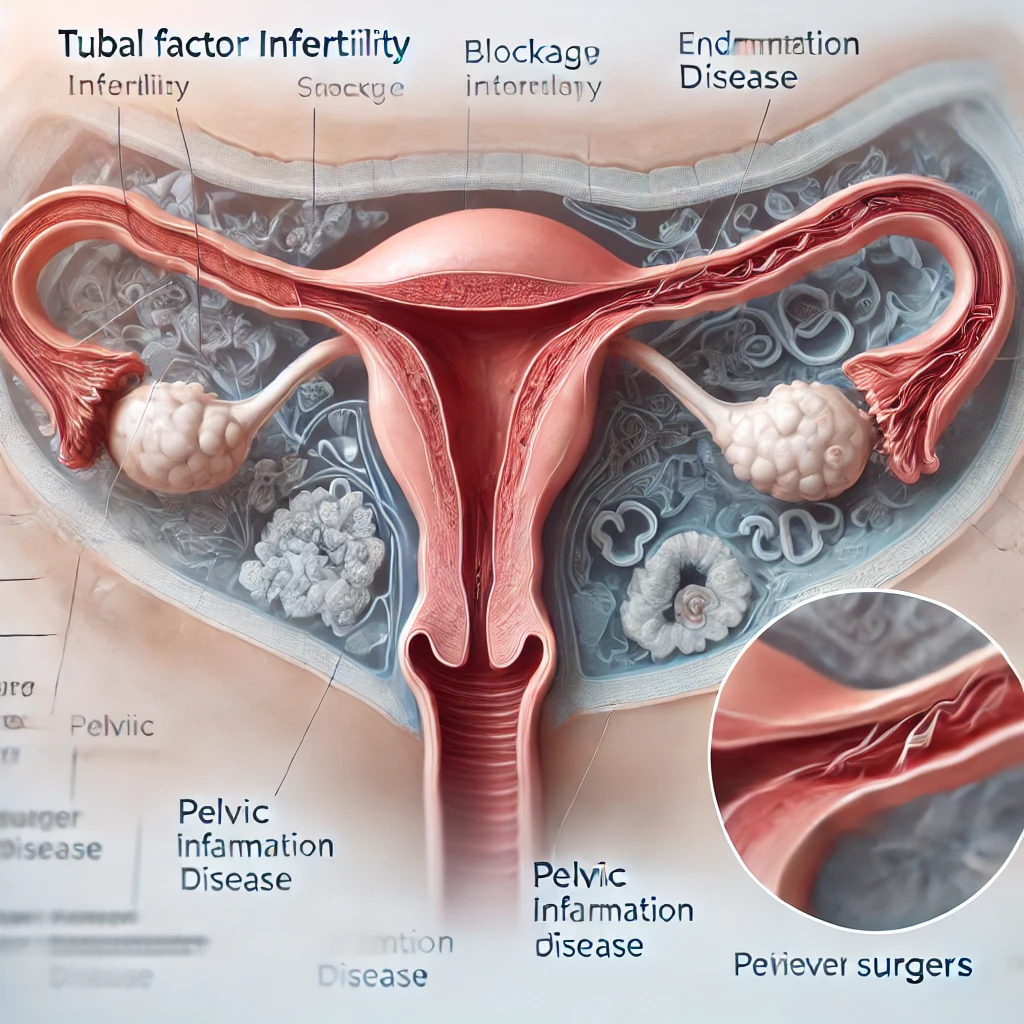
Tubal Factor Infertility: Causes, Treatments, and Hope
Tubal factor infertility is a common cause of infertility, affecting many couples worldwide. This condition occurs when the fallopian tubes are blocked or damaged, preventing the egg and sperm from meeting. In this comprehensive guide, we’ll explore tubal factor infertility in detail, covering its causes, diagnosis, treatment options, and success rates. By the end, you’ll have a clear understanding of this condition and the available solutions to help you on your fertility journey.
1. Introduction to Tubal Factor Infertility
Developments in Understanding Tubal Factor Infertility
Tubal factor infertility accounts for approximately 25-30% of all infertility cases. Over the years, advancements in medical technology have improved our understanding of this condition. For instance, laparoscopy and hysterosalpingography (HSG) have become essential tools in diagnosing tubal issues. These developments have allowed fertility specialists to identify blockages, scarring, or abnormalities in the fallopian tubes with greater accuracy.
Results of Untreated Tubal Factor Infertility
If left untreated, tubal factor infertility can significantly reduce the chances of natural conception. Blocked or damaged tubes can lead to ectopic pregnancies, where the embryo implants outside the uterus, posing serious health risks. Early diagnosis and treatment are crucial to improving outcomes and ensuring a safe pregnancy.
2. Causes of Tubal Factor Infertility
Pelvic Inflammatory Disease (PID)
Pelvic inflammatory disease, often caused by sexually transmitted infections like chlamydia or gonorrhea, is a leading cause of tubal damage. Inflammation from these infections can lead to scarring and blockages in the fallopian tubes. According to ASRM, PID is responsible for a significant percentage of tubal factor infertility cases.
Endometriosis
Endometriosis, a condition where tissue similar to the uterine lining grows outside the uterus, can also affect the fallopian tubes. This tissue can cause adhesions and blockages, preventing the egg from traveling through the tubes. Shady Grove Fertility highlights that endometriosis is a common yet often overlooked cause of infertility.
Surgeries in the pelvic area, such as appendectomies or treatments for ectopic pregnancies, can lead to scar tissue formation. This scar tissue may obstruct the fallopian tubes, making natural conception difficult.
3. Diagnosing Tubal Factor Infertility
Hysterosalpingography (HSG)
HSG is a common diagnostic test where a dye is injected into the uterus and fallopian tubes. X-ray imaging is then used to detect blockages or abnormalities. IVF Australia explains that HSG is a minimally invasive procedure that provides valuable insights into tubal health.
Laparoscopy
Laparoscopy is a surgical procedure that allows doctors to view the fallopian tubes directly. It is often recommended when HSG results are inconclusive or when other conditions like endometriosis are suspected.
Saline Sonohysterography
This ultrasound-based test uses saline to assess the fallopian tubes and uterine cavity. It is less invasive than HSG and provides detailed images of the reproductive organs.
4. Treatment Options for Tubal Factor Infertility
Surgical Interventions
Surgery can sometimes repair damaged tubes or remove blockages. However, the success of surgical treatment depends on the extent of the damage. Fertility Institute notes that surgery is often recommended for mild to moderate tubal damage.
In Vitro Fertilization (IVF)
IVF is the most effective treatment for severe tubal factor infertility. By bypassing the fallopian tubes entirely, IVF allows fertilization to occur in a lab setting. IVF Spain reports high success rates for IVF in patients with tubal issues.
Fertility Medications
In some cases, fertility medications may be used to stimulate ovulation and improve the chances of conception. However, these are less effective when tubal damage is severe.
5. Success Rates and Prognosis
IVF Success Rates
According to Boston IVF, the success rates for IVF in patients with tubal factor infertility are comparable to those with other types of infertility. Factors like age, overall health, and the quality of the embryos play a significant role in determining outcomes.
Natural Conception After Treatment
While some patients may achieve natural conception after surgical treatment, others may require assisted reproductive technologies like IVF. IVF London emphasizes the importance of personalized treatment plans to maximize success.
6. Emotional and Psychological Support
Coping with Infertility
Dealing with tubal factor infertility can be emotionally challenging. Support groups, counseling, and online communities like IVF Babble can provide much-needed emotional support.
Partner Involvement
Involving your partner in the treatment process can strengthen your relationship and improve emotional well-being. Open communication is key to navigating this journey together.
7. Lifestyle Changes to Improve Fertility
Diet and Nutrition
A balanced diet rich in antioxidants, vitamins, and minerals can improve overall reproductive health. CCRM IVF recommends avoiding processed foods and focusing on whole, nutrient-dense options.
Exercise and Stress Management
Regular exercise and stress-reduction techniques like yoga or meditation can positively impact fertility. IVF Fertility Centre highlights the importance of maintaining a healthy lifestyle during treatment.
8. Financial Considerations
Cost of Treatment
The cost of treating tubal factor infertility can vary widely depending on the chosen method. IVF, for example, can be expensive, but many clinics offer financing options. Fertility Associates provides detailed cost breakdowns to help patients plan financially.
Insurance Coverage
Some insurance plans cover fertility treatments, while others do not. It’s essential to check with your provider to understand your coverage options.
9. Alternative and Complementary Therapies
Acupuncture
Acupuncture has been shown to improve blood flow to the reproductive organs and reduce stress. Many patients combine acupuncture with conventional treatments for enhanced results.
Herbal Supplements
Certain herbal supplements may support reproductive health, but it’s crucial to consult your doctor before starting any new regimen.
10. Future Directions in Tubal Factor Infertility Treatment
Advances in Reproductive Technology
Emerging technologies like artificial intelligence and genetic screening are revolutionizing fertility treatments. These advancements promise higher success rates and more personalized care.
Research and Clinical Trials
Ongoing research aims to develop new treatments and improve existing ones. Participating in clinical trials can provide access to cutting-edge therapies.


